
Drum Microphone Packs Buying Guide
November 5, 2026 · Shivansh Electronics, Kolkata
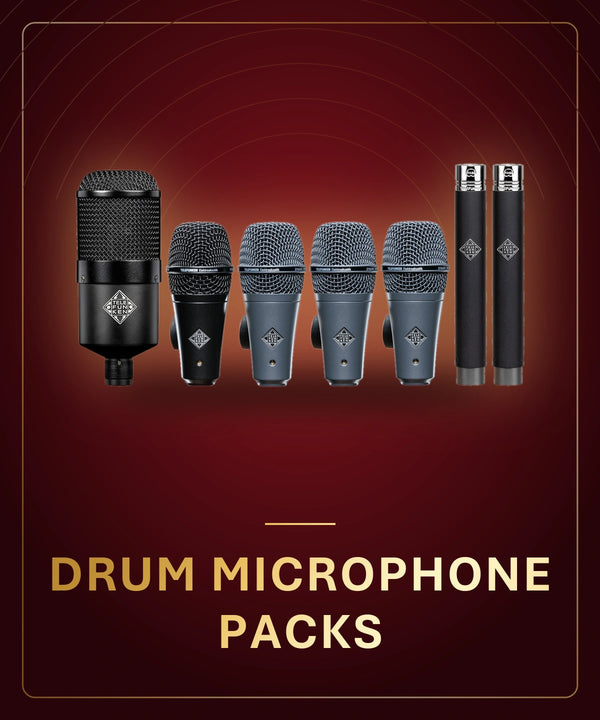
A drum microphone pack bundles the microphones needed to cover a drum kit: usually a kick drum microphone, snare and tom microphones, and one or two overhead or hi-hat condensers, often with clips and a case. Packs give a matched set at a sensible overall value and make setup quick for bands, churches, rehearsal rooms and studios. This guide explains how to choose from our range of drum microphone packs.
What is in a typical pack
- Kick drum microphone: a dynamic microphone designed for very high sound pressure levels and deep low frequencies
- Snare and tom microphones: compact dynamic microphones with clip mounts that attach to the rim
- Overhead microphones: small-diaphragm condensers that capture cymbals and overall balance
- Clips, stands and case: rim clips and a protective bag for transport
Packs differ in number of microphones, from four-piece to ten-piece and larger, so match the pack to your kit size.
Dynamic versus condenser
Close-miked drums normally use dynamic microphones, because they handle very loud sources and reject spill. Condensers are usually used overhead and on hi-hats for detail and air. Read about dynamic microphones and small diaphragm condenser microphones to understand the difference. Overheads need 48 V phantom power.
Matching the pack to the kit
A basic kit with kick, snare, two toms and cymbals needs at least seven microphones for full close miking: kick, snare, three toms and two overheads. For small stages and live sound, a smaller pack with kick, snare and two overheads is a good start. Tom microphones with clip-on mounts save stands and floor space.
Mixer and interface inputs
Count the inputs you have. A seven-piece pack needs seven microphone channels, plus phantom power for the overheads. A digital mixing console or audio interface with enough preamps and phantom power is required. Use balanced XLR cables with enough length for the kit and snake.
Placement basics
Kick: place inside or just outside the front port, a few centimetres from the beater. Snare: 2 to 5 cm above the rim, angled toward the centre, away from the hi-hat. Toms: close to the rim, angled toward the centre. Overheads: above the kit at a height that captures balance, such as XY or spaced over the cymbals. Always listen and adjust, as placement changes the sound as much as the microphone.
Durability and mounting
Drums are loud and physical, so choose microphones with sturdy metal bodies and clips that hold firmly. Rim mounts that clamp securely are quicker than stands. A hard case or padded bag protects the pack on the road, which matters to touring bands and mobile sound hire.
Live or studio use
Live sound
Gate or compress carefully, use high-pass filters on overheads and keep monitor levels in check to reduce spill.
Studio recording
Use phase checks between microphones, tune drums well and treat the room. Add room microphones if the pack has a spare input.
Gating, phase and polarity
Several microphones on one kit pick up the same sound at slightly different times, which can cause phase cancellation. Check polarity between the snare top and bottom microphones, and between the kick and overheads, using the polarity switches on the console. Where available, use gates sparingly on toms to reduce spill, and set the high-pass filter on each channel except the kick to clear low-frequency rumble.
Tuning and room
The best microphones cannot fix poorly tuned drums or a noisy room. Fresh heads, damping and sensible tuning give cleaner recordings and mixes. In small rooms, close miking and a drier approach reduce reflections.
Common mistakes to avoid
Drum microphones are used at high volume, so small mistakes show up quickly in the mix.
- Buying more microphones than your mixer has input channels for
- Forgetting phantom power for the condenser overheads
- Placing the snare microphone too close to the hi-hat and picking up its bleed
- Ignoring polarity between the top and bottom snare microphones
- Mounting clips loosely so microphones move during playing
- Skipping a case and damaging microphones in transport
Buying drum microphone packs at Shivansh Electronics
Shivansh Electronics, Kolkata, West Bengal, India supplies genuine products only, exactly as the manufacturers build and specify them. Every product page has its specifications, so you can compare drum microphone packs side by side before you decide. Our team can advise on WhatsApp or by phone, help you shortlist options for your room, venue or project, and suggest the accessories you will need.


